Top Networking Events in Finland for Startups and Technology Companies
Not all events deliver the same contacts. This guide lists the Finland events that matter for fundraising, hiring, partnerships, and developer recruiting, and gives a practical playbook for preparing, networking, and following up so your meetings turn into results.

If your goal is to meet investors, find cofounders, hire engineers, or open sales conversations in Finland, you need to choose events that match that goal and prepare for them. This article lists the networking events and communities in Finland that produce the best contact-making opportunities for startups and technology companies, explains which event fits which objective, and gives practical preparation and follow-up steps so you get value from the time invested.
Where to start: the four kinds of events that matter
Not every event delivers the same connections. Use this quick checklist to decide which to attend.
- Flagship conferences: Large gatherings with international attendees, press, and investors. Good for visibility and serendipitous meetings.
- Investor and demo days: Smaller, curated events where investors and founders meet. Good for fundraising and investor feedback.
- Hackathons and developer gatherings: Concentrated technical talent in one place. Good for recruiting, prototyping, and partnerships.
- Campus, community, and sector meetups: Regular meetups and open days at startup campuses and accelerators. Good for steady relationship-building and hiring.
Top events and communities in Finland
Below are the most useful events for startups and tech companies operating in or expanding to Finland. Each entry explains what you can realistically expect and which stage or goal it fits best.
Slush (Helsinki)
Why go: Slush is Finland's largest startup conference with broad international participation. It is a strong place for brand exposure, investor meetings, press, and meeting potential partners across many sectors.
Who it fits: Seed to Series A startups that want investor meetings, media attention, or access to talent and corporate partners. Also useful for startups launching new products or raising rounds.
What to expect: A packed schedule of stages, side events, and networking areas. Plan meetings in advance, but leave time for unplanned introductions.
Arctic15
Why go: Arctic15 focuses on matchmaking between startups and investors, with panels and mentoring sessions geared to funding and business development.
Who it fits: Startups that are actively fundraising or seeking early corporate pilots and strategic investor relationships.
What to expect: Investor-focused programming and pitch sessions. Good for focused one-on-one conversations rather than general brand exposure.
Junction (Hackathon)
Why go: Junction is one of Finland's largest hackathons and attracts developers, designers, and ambitious technical teams working on weekend projects.
Who it fits: Startups that need to recruit technical talent, test integrations, or sponsor challenges to evaluate candidates and prototypes.
What to expect: Intense, project-oriented collaboration. Sponsorship can give you direct access to talent and quick proof of concepts.
Nordic Business Forum
Why go: While broader than pure startup programming, this forum draws senior executives, corporate innovation teams, and decision makers who can become customers or strategic partners.
Who it fits: Startups with enterprise sales strategies, B2B products, or teams that want to position themselves for corporate pilots and larger contracts.
What to expect: High-level talks and networking with senior corporate decision makers. Good for warm introductions to larger customers.
Maria 01 community events
Why go: Maria 01 is a prominent startup campus in Helsinki where residents and external guests host meetups, demo nights, and investor breakfasts.
Who it fits: Early-stage teams looking to plug into the Helsinki startup community, find local partners, or attend themed meetups in marketing, AI, or product.
What to expect: Regular, actionable meetups and chances to meet founders and angel investors in an informal setting. Great for building local networks.
Accelerator demo days and Startup Sauna events
Why go: Accelerators such as Startup Sauna host demo days and investor sessions where cohorts present to local and international investors.
Who it fits: Startups seeking investment readiness feedback, mentor relationships, or exposure to investor networks focused on Nordic and Baltic markets.
What to expect: Short, focused presentations followed by investor Q and A and networking. These events are practical for targeted investor outreach.
How to choose which events to attend
Match the event type to your immediate objective. Use these decision rules:
- If you need investors quickly: prioritize investor-focused events and demo days. They produce higher quality investor conversations per hour.
- If you need hires: pick hackathons, campus meetups, and developer conferences where technical talent congregates.
- If you need customers or partners at scale: choose flagship conferences and industry forums where corporate buyers attend.
- If you want steady local relationships: attend monthly meetups and campus open days to build trust over time.
How to prepare before an event
Preparation turns noisy hallways into useful conversations. Use this checklist before you go.
- Set two specific goals: for example, book three investor meetings and collect 20 qualified leads, or interview five potential engineers and get two follow-ups.
- Book meetings in advance: for large conferences, reach out before the event. Use LinkedIn or the event's matchmaking tools to secure time slots.
- Prepare short materials: a 30-second pitch, one-slide overview of traction, and a one-page leave-behind PDF or business card with a clear next step.
- Decide on roles: who is on the team to pitch, who handles product demos, who follows up. Keep the team small enough to stay agile.
- Plan logistics: meeting slots, chargers, backup demo accounts, and a comfortable method for collecting contact details that you will reliably process later.
How to network effectively during the event
Turn small talks into actionable leads with these tactics.
- Lead with value: start conversations with a relevant observation or question, not your pitch. For example, mention a recent trend in their vertical or a specific challenge their company faces.
- Timebox conversations: keep first meetings to 10 to 12 minutes unless both sides want more. This respects others and helps you meet more people.
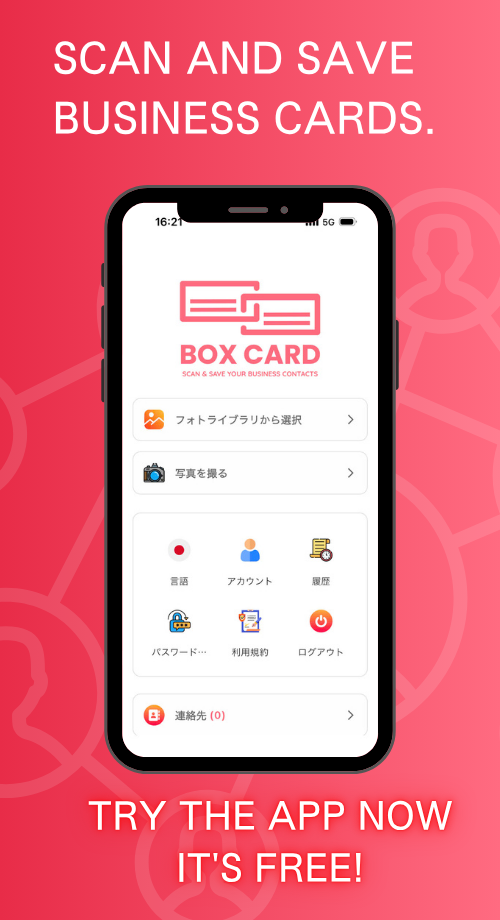
- Collect contact details cleanly: exchange business cards or scan cards digitally. If you use Boxcard, scan business cards at the event to avoid lost notes and to tag contacts immediately with context like "Slush investor" or "potential hire."
- Take micro-notes: after each meeting, jot a sentence about the person's interest or the agreed next step. Tag these notes to make follow-up efficient.
Follow-up that moves relationships forward
Most networking fails in the follow-up stage. Send concise, timely messages that remind people why they met and propose the next step.
Timing and format
- Send an individualized follow-up within 48 hours for investor or hiring conversations.
- For less urgent connections, follow up within one week while the event is still fresh.
Practical follow-up template
- Subject line: Quick follow-up from [Event Name] - [Your Company]
- Message: 1 sentence reminding who you are and where you met, 1 sentence that restates value or common ground, 1 sentence that proposes a clear next step and two available times, closing with contact details and a link to a one-page deck or demo.
Example: "Hi Maria, great to speak at the Maria 01 meetup yesterday. We discussed how our API reduces onboarding time for enterprise apps by providing a prebuilt user identity layer. Would you be available for a 20 minute demo next Tuesday at 10 or Wednesday at 14? I can send a short deck in advance. Best, [Name]"
Common mistakes to avoid
- Trying to meet everyone. Quality beats quantity: prioritize the contacts most likely to help your immediate goal.
- Neglecting preparation. Showing up without a clear pitch or meeting slots wastes time for both sides.
- Poor follow-up. Vague messages or sending the follow-up too late often kills the opportunity.
- Paper-only contact management. Business cards pile up and context is lost. Digitize and tag contacts the same day so nothing slips through the cracks.
Using a contact workflow that actually works
Create a simple process you can repeat after every event. A reliable workflow reduces friction and improves conversion from meeting to meeting.
- Scan business cards or take a photo, then tag contacts by category and event (for example: investor, potential hire, corporate partner).
- Enter micro-notes and agreed next step immediately after each meeting.
- Send an individualized follow-up within 48 hours with a clear call to action.
- Schedule any agreed meetings and add reminders to follow up again after two weeks if there is no reply.
Boxcard can help with the first step by digitizing and organizing business card information so you can focus on meaningful follow-up rather than manual data entry.
Focus on one measurable goal per event, prepare two conversation starters, and process contacts within 48 hours. Those three habits turn networking from noise into progress.
Start by picking one event that matches your immediate objective, commit to the preparation checklist above, and implement the simple follow-up workflow. Even a single well-chosen event backed by disciplined follow-up can generate customers, hires, or investors more effectively than attending every conference in the calendar.