Singapore Startup and Entrepreneurship Events 2027: Build Your Business Network
Select events by objective, prepare a concise pitch and leave-behind, and digitize every business card immediately. Focus on a few high-value conversations, follow up within 72 hours, and treat follow-ups like deliverables to turn brief meetings into lasting partnerships.
Want to grow your startup network in Singapore in 2027? Pick events that match your stage and goals
Choosing which conferences, meetups, and demo days to attend is the most important decision a founder makes before show-up day. Some events are full of investors, others are for talent, and some are customer-facing. This article lists the recurring Singapore events to watch for in 2027, explains how to choose between them, and gives concrete, actionable tactics you can use before, during, and after each event to turn brief encounters into lasting relationships.
Recurring events and what to expect from each
Below are event categories and representative names that normally run in Singapore. Organizers publish exact 2027 dates and formats closer to the time, so check official pages before buying tickets.
Major industry conferences
- Singapore FinTech Festival: Best for fintech founders looking for regulators, enterprise partners, and large-scale pilots. Expect conference tracks, showcase booths, and partner pavilions.
- Tech in Asia Conference: Wide tech industry reach, suitable for B2B and B2C startups seeking regional visibility, press, and investor meetings. Panels, startup stages, and investor office hours are typical formats.
- Innovfest Unbound: Focus on innovation, corporate-startup collaboration, and scale-up partnerships. Useful if you want corporate pilots or enterprise distribution.
Innovation weeks and curated startup festivals
- SWITCH (Singapore Week of Innovation and Technology): Multiple themes under one roof, including slingshot competitions and corporate innovation challenges. Great for founders who want to meet corporate innovation leads and government agencies.
- Slingshot or similar startup pitches: Competitive showcase format. Good for exposure, investor attention, and media pickups if you can deliver a concise demo and story.
Investor and founder-focused events
- Angel and venture meetups (for example, BANSEA-style gatherings and investor office hours): Targeted at raising pre-seed and seed rounds. These events are more intimate and better for early feedback on fundraising decks.
- Demo days from accelerators and incubators: Accelerators in Singapore airdrop cohorts into investor rooms. If you are applying to programs, time your calendar so you can demo or attend alumni events.
Community meetups and skill-building
- Startup Grind, Founder Institute, and local NUS or SMU entrepreneurship events: Lower cost, frequent, and excellent for consistent networking and hiring.
- Domain-specific meetups (AI, Web3, healthtech, cleantech): These are where you find deep technical collaborators, domain hires, and niche investors.
How to pick which events to attend in 2027
Use these simple filters to decide. Apply them to every event before you commit time or budget.
- Primary objective: Fundraise, hire, find customers, or partner with corporates? Choose investor-heavy events for fundraising, vertical meetups for hiring, and corporate innovation festivals for pilots.
- Audience composition: Look at past speaker lists, sponsor pages, and attendee testimonials. Are there investors, enterprise buyers, or recruiters that match your target list?
- Format and noise: Large conferences produce many surface-level meetings, smaller curated events produce deeper conversations. Early-stage founders often benefit more from curated investor office hours than from big expo halls.
- Cost vs expected return: Factor ticket price, travel, and time off. If an event is costly, create a plan that justifies the investment: pre-book meetings, prepare a demo, and schedule follow-ups.
What to prepare before the event
Preparation turns chance introductions into valuable connections. Do these six things in the two to three weeks before an event.
- Define three measurable goals, for example: meet two potential pilot customers, collect 20 qualified investor leads, and hire a senior engineer.
- Make a one-minute pitch and a one-page leave-behind. The one-minute pitch should state the problem, solution, traction, and the specific ask. The one-page leave-behind can be a physical card or a PDF you send after meetings.
- Research speakers and target attendees. Identify people you must meet and find mutual connections who can introduce you. Use LinkedIn and event apps to request meetings in advance.
- Print business cards and plan a digital backup. Bring physical cards for quick handoffs, and prepare a short URL or QR code to a contact page. After the event, digitize cards so you never lose follow-ups.
- Pre-book meetings where possible. Many conferences offer meeting tools; use them to lock time with investors or corporate scouts.
- Pack a demo-ready device. A fast laptop or phone with an offline demo prevents technical delays at booths or informal meetups.
Practical networking tactics to use at the event
- Open with a question: When you meet someone, ask about their current focus, then share where you fit. Questions invite dialogue more than statements.
- Use session breaks intentionally: Instead of wandering the expo, pick one or two people from a panel you want to meet and approach them during the coffee break with a relevant comment or question.
- Attend evening and satellite events: The most useful conversations often happen at after-parties, roundtables, or sponsor-hosted dinners where the setting is calmer.
- Take short notes immediately on the back of each business card or in a notes app. Record the context and the specific next step you agreed on.
- Limit door-to-door pitching: Quality over quantity. A handful of deep conversations will yield more value than dozens of superficial exchanges.
Follow-up workflow that actually works
Most networking value is realized after the event. Convert introductions into meetings with this 72-hour follow-up plan.
- Digitize and tag contacts, ideally within 48 hours. Use a business-card scanner app to capture cards and add tags: investor, pilot prospect, recruit, press.
- Send personalized follow-ups. Reference where you met, a line from the conversation, and one clear next step. Keep the email short and time-bound: suggest two meeting windows or an intro to a relevant teammate.
- Schedule follow-up tasks in your calendar. If someone asked for a deck, add a task with a deadline. Treat follow-ups like deliverables.
- Use CRM minimally but consistently. A simple spreadsheet with source, tag, status, and next action is often better than a half-maintained CRM.
- Keep ephemeral contacts warm. For leads that are not immediate, add a three-month check-in reminder with a note about what to share next time.
How Boxcard helps after events
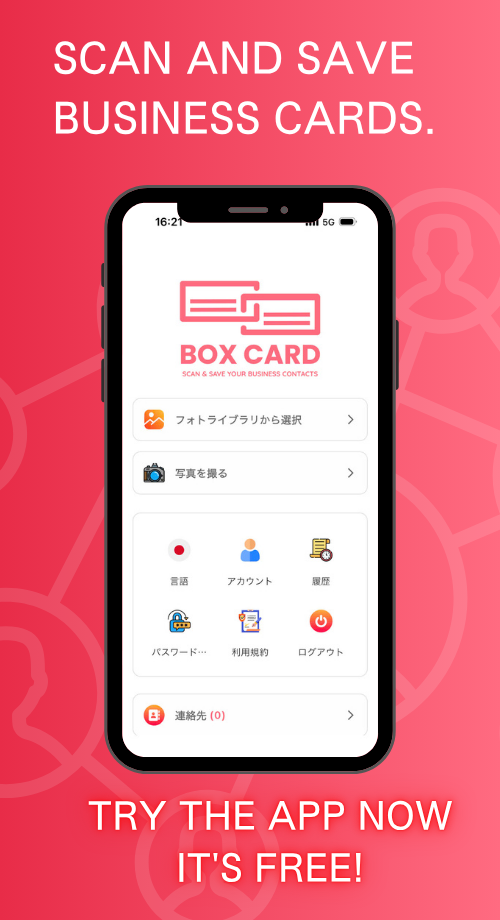
If you collect many physical business cards, scanning them quickly prevents lost leads. Boxcard can digitize business cards, organize contacts, and manage contact information so you can tag leads, add meeting notes, and find follow-up dates. Use scanning immediately after the event to avoid transcription errors and to get your follow-up workflow moving faster.
Sample 90-day event plan for a seed-stage founder
- Weeks 1 to 2: Choose two priority events and reserve tickets. Build a one-page leave-behind and a one-minute pitch.
- Weeks 3 to 6: Schedule pre-event meetings with three investors and two potential pilot customers. Prepare a short demo and slide deck of 6 to 8 slides.
- Event week: Target 10 high-quality conversations, attend one evening reception, and scan all cards each night.
- Weeks 1 to 2 after event: Send personalized follow-ups, schedule meetings, and complete any promised materials. Update a simple CRM or spreadsheet.
- Month 3: Reassess event ROI and plan the next two events based on what worked, focusing on formats that produced partners or investor interest.
Common mistakes and how to avoid them
- Mistake: Attending without a clear goal. Fix: Set two measurable objectives before you buy a ticket.
- Mistake: Relying solely on handshakes and memory. Fix: Scan cards and take notes immediately.
- Mistake: Generic follow-ups. Fix: Reference the specific conversation and propose a single clear next action.
- Mistake: Chasing vanity metrics, like number of business cards. Fix: Count meetings with real decision makers instead.
Singapore offers a dense, year-round calendar for founders. The smartest approach is selective: pick events that match your stage and objectives, prepare aggressively, and convert each brief interaction into a tracked follow-up. Start by choosing one conference and one community meetup for the next 90 days, digitize every business card you collect with Boxcard, and treat follow-ups as deliverables. That sequence will reliably expand your network and move the business forward.