Hong Kong International Medical and Healthcare Fair: Networking Opportunities for Healthcare Professionals
Practical steps to turn brief conversations at the Hong Kong International Medical and Healthcare Fair into real collaborations: pick two objectives, capture context for each contact, and follow up within 48 hours with a clear next step.

If you are a clinician, researcher, healthcare manager, supplier, or startup founder planning to attend the Hong Kong International Medical and Healthcare Fair, your priority is not just seeing the latest products. A single well-timed conversation can lead to a collaboration, a pilot project, or a useful referral. This article explains where the best networking opportunities usually appear at a medical trade fair, how to prepare, how to approach different types of contacts, and how to convert brief show-floor meetings into real follow-ups.
What this article will help you do: choose which networking settings to focus on, prepare practical materials and messages, avoid common mistakes on the show floor, and follow up efficiently so initial contacts turn into concrete outcomes.
Note: this article focuses on networking techniques and practical steps. It does not attempt to list exhibitors, schedules, or show statistics.
Where the best networking moments happen
Trade fairs combine formal and informal settings. Recognizing which setting suits your goal will save time and give you better results.
- Exhibition booths: Good for product-focused conversations and supplier sourcing. Short, focused questions work best: ask about real-world performance, references, implementation timelines, and price brackets. If you represent a hospital or clinic, say so early so the exhibitor knows you are a decision maker.
- Sponsored seminars and panel sessions: Ideal for meeting peers who share a clinical or research interest. Arrive early to talk with the speaker or other attendees, and mention one specific point from the talk when you introduce yourself. That connection is stronger than a generic opener.
- Demo areas and hands-on trials: These attract professionals actively evaluating solutions. Conversations are usually technical and practical. If you need technical depth, ask for a follow-up demo with your technical team rather than trying to cover everything on the stand.
- Networking receptions, breakfasts, and roundtables: These are more conversational and longer. Use them to explore possible partnerships, pilot projects, or multicenter studies. People are less rushed, so listen more than you speak and steer the conversation to mutual interests before exchanging contact details.
- Hallways and coffee queues: Short interactions here can still be valuable. A crisp, polite introduction and a business card exchange can lead to a later meeting. Have a one-line summary of who you are and what you want ready.

Decide your networking priorities before you go
Time at the fair is limited. Choose two primary objectives and one secondary objective. Examples:
- Primary: Identify two suppliers for a pilot remote-monitoring program. Secondary: Meet one possible academic collaborator for a validation study.
- Primary: Recruit clinicians for a multicenter study. Secondary: Raise awareness about your startup among potential investors or mentors.
For each objective list the three things you need from a conversation: a contact person, a next-step meeting, and a piece of information to evaluate the lead (price estimate, technical spec, evidence). That makes follow-up decisions faster.
What to bring and how to present yourself
Pack light but prepare for quick, professional exchanges.
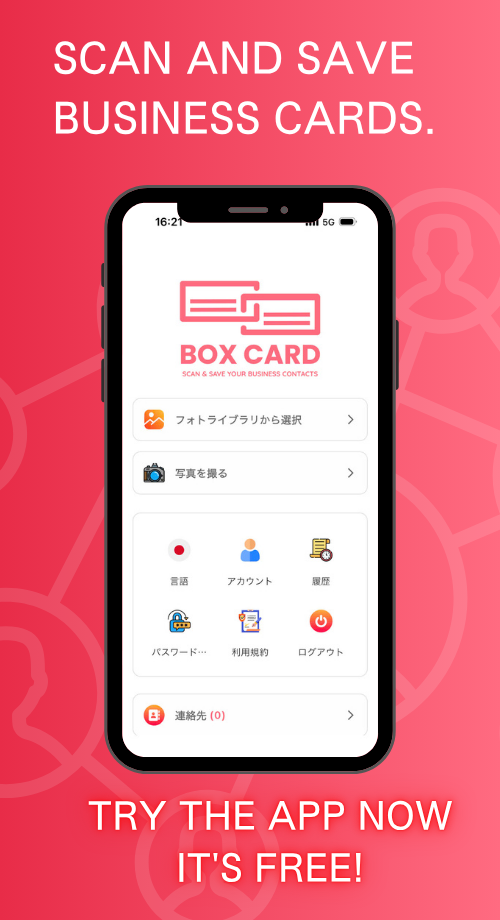
- Business cards: Bring cards and keep them accessible. If you prefer digital exchange, have a reliable app ready to capture cards or QR codes. Boxcard and similar apps can digitize, organize, and export contact details so you do not lose leads. Make sure the app is set up before the fair.
- One-page leave-behind: A single sheet summarizing your service, a key result, and one concrete request is more useful than a long brochure. Bring a small stack for targeted handouts.
- Elevator pitch: Prepare a 20-second description of who you are, what you do, and what you are looking for. Practice it so it sounds natural, not rehearsed.
- Data at hand: If you might discuss clinical outcomes or a pilot, keep one slide or a short PDF on your tablet that you can show quickly. Long slide decks are rarely effective on the stand.
How to open and steer conversations
Different goals need different approaches. Here are short scripts you can adapt.
When sourcing a supplier
- Start with a specific question: "What is your deployment time for a 50-device rollout in a hospital setting?"
- Listen for constraints and ask for a reference client. If the exhibitor cannot provide one immediately, ask for a case study or white paper.
- Request a short follow-up demo with your procurement team and specify the decision timeline.
When exploring academic collaboration
- Mention a mutual interest from the seminar or recent paper: "I found your point on remote monitoring outcomes interesting. Would your team consider a small pilot in our clinic?"
- Agree on a light next step: a 30-minute planning call within two weeks. That timeline helps maintain momentum.
When meeting investors or partners
- Lead with a clear milestone: "We completed a 6-month pilot with X outcomes. We are looking for partners to scale to three hospitals."
- Follow with a specific ask: a meeting to review the pilot data and discuss terms within 30 days.
In all cases, end the conversation by confirming how you will follow up: email, calendar invite, or a scheduled demo. If you ask for permission to follow up by email, include one sentence summarizing the next step in that email subject line so it is easy to spot.
Use business cards and digital tools wisely
A stack of cards alone is not a strategy. Capture context with every contact so the card becomes actionable.
- Annotate immediately: Write one short note on the back of a card or in your app about the conversation: "interested in pilot, decision Q4." If you prefer digital capture, ensure the app stores notes and tags.
- Organize leads by priority: A simple system is A, B, C where A are must-follow contacts within one week, B within two to three weeks, and C later. Stick to the schedule.
- Export and back up: Export captured contacts to your CRM or a secure spreadsheet at the end of each day. Losing a day of notes makes follow-up harder.
Follow-up that converts
Most fair connections fail at follow-up. Avoid that by being specific, timely, and helpful.
- Timing: Send a short thank-you email within 48 hours. Remind the contact where you met and the key point you discussed. Attach the one-page leave-behind or a short demo video if relevant.
- Content: Keep the email one short paragraph plus one clear next step. Example subject line: "Follow-up from HK Fair, request to schedule 30-minute demo". In the message, restate the value for them and propose two specific time slots.
- Persistence: If you do not get a reply, send one polite follow-up after one week, and a final check-in after three weeks. Track responses so you do not duplicate outreach.
- Convert quickly: For A-priority leads, aim to convert the fair conversation into a meeting, proposal, or pilots within 30 days. The momentum from the event fades fast.
Common mistakes and how to avoid them
- Scattering your focus: Trying to meet everyone dilutes outcomes. Limit meaningful conversations to a manageable number, then follow them up well.
- Overloading the conversation: Avoid lengthy technical monologues. Find the decision maker's pain point and demonstrate how you address it in a sentence or two.
- Failing to record context: A business card without notes is a name. Capture one sentence that explains why the contact matters to you.
One clear next step beats ten vague promises. If a meeting matters, propose a date and time before you leave the stand.
Attending the Hong Kong International Medical and Healthcare Fair can yield partnerships, clinical collaborations, suppliers, and pilot opportunities, but only if you treat networking as a process: prepare, prioritize, capture context, and follow up with discipline. Start by setting two clear objectives for the event and a follow-up schedule you will actually keep. If you use business card digitizing tools like Boxcard, set them up before you travel so capture and export are seamless. After the fair, allocate a specific block of time each day to process and act on the leads while details are still fresh.
Practical next step: today, write your two objectives, install your preferred contact capture app, create a one-page leave-behind, and block three 30-minute slots in your calendar for post-fair follow-up. That simple preparation will multiply the value of every conversation you have on the show floor.