Hong Kong FinTech Week: Key Networking Opportunities for Financial and Technology Professionals
At Hong Kong FinTech Week you will meet many valuable contacts. This article shows where to find them, a step by step capture routine using a business card scanning app, and practical follow-up rules that convert introductions into outcomes.

You will leave Hong Kong FinTech Week with dozens or hundreds of new contacts. The difference between a stack of paper cards and actual business outcomes is what you do with those contacts in the next 48 hours. This article maps the best places to meet the people who matter during the conference, and gives a practical, step by step workflow to capture, sort, and follow up on contacts using a business card scanning routine.
Where to meet the right people
Not every conversation at the conference has equal value. Choose locations and session types that match your goal.
- Exhibition hall booths: Good for product demos, vendor sourcing, and quick qualification. Approach booths with a clear question about capability or pricing rather than a general introduction.
- Focused tracks and panels: Attend sessions on regulation, payments, or crypto if you want subject-matter contacts. Speakers and panelists are higher value; approach them after the talk with one short observation, not a sales pitch.
- Startup hubs and investor corners: If you are fundraising or scouting technology, these areas concentrate founders and angels. Ask for a single measurable outcome, for example an intro to a specific type of partner.
- Workshops and interactive sessions: Smaller groups allow deeper conversations and easier follow up. Exchange cards only after a meaningful exchange so the follow-up has context.
- Evening receptions and side events: These are easier places to start honest conversations. Keep the first minute light, then ask about priorities for the next 6 to 12 months to find overlap.

Who to focus on, by role
Match the people you meet to what you can offer. Below are quick rules of thumb.
- Finance professionals: Prioritize heads of operations, compliance leads, and treasury managers. They value proof of concept and implementation timelines, not long product decks.
- Technology professionals: Look for architects, head engineers, and platform leads. Bring a clear description of your technical stack and a concise question about APIs or data models.
- Investors and corporate VCs: They want traction signals. Be ready to state revenue, churn, and pilot partners in one sentence.
- Sellers and partnership teams: Seek contacts who control channel or distribution. Ask about go to market priorities for the next quarter so you can tailor a follow-up proposal.
Capture contacts on the spot: a practical workflow
Meeting is only the first step. Use a repeatable routine to prevent contacts from becoming paper clutter. Follow these steps immediately after each meaningful exchange.
- Ask before recording. Make eye contact and say you will scan their card to avoid surprises. This is also a quick consent check for later outreach.
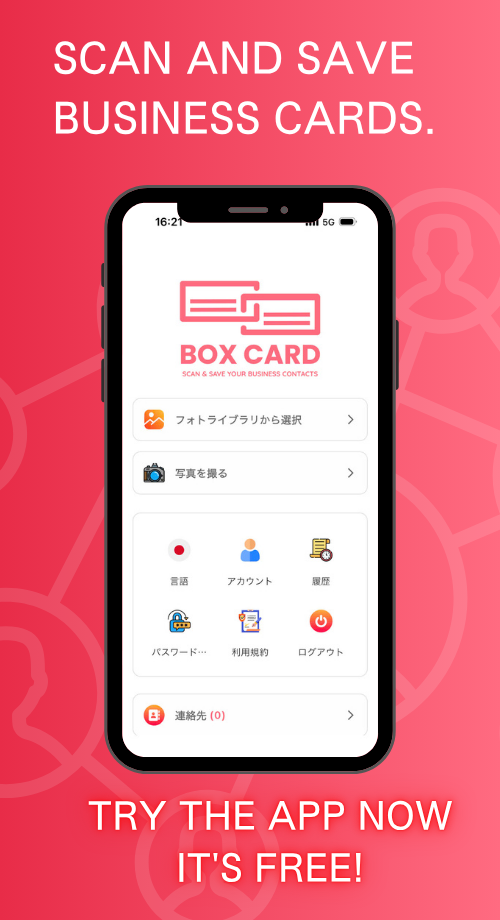
- Choose a single tool. Decide on one business card scanning app before the event and stick to it. Using multiple apps fragments your data and increases cleanup time. Options include general solutions and dedicated tools such as Boxcard; test your chosen app the day before.
- How to digitize business cards: Scan the front and back immediately. Use the app to add one tag that captures the context of the meeting, for example "investor, payments" or "prospect, Hong Kong FinTech Week 2026." Tags are the fastest way to filter later.
- Add a one-line note. Record where you met and the next step you promised. A single sentence is often enough: for example, "send API spec" or "intro to partner X."
- Prioritize immediately. Mark the contact as either hot, warm, or low priority. Plan to follow up within 48 hours for hot contacts and within one week for warm ones.
Using a business card management app during the event reduces transcription errors and keeps your follow-up pipeline clean. If you prefer an app with higher automation, look for an AI business card scanner or a Business card OCR app, but test accuracy before the event.
Scan now, sort later. The single biggest post-event mistake is delaying digitization until you return home.
Organizing and following up
After the show, spend a concentrated block of time on contact triage. Here is a practical order.
- Export hot contacts to your calendar and set immediate follow-up actions. A 15-minute call within three days keeps momentum.
- Enrich profiles for a small set of priority contacts. Add LinkedIn profiles, meeting notes, and any relevant attachments. Many business card management tools let you attach these files to the digitized contact.
- Decide on CRM workflow. If you will move contacts into a broader pipeline, confirm whether your process requires manual entry, CSV import, or direct CRM integration. Ask your IT or sales ops which format they prefer rather than guessing.
- Group follow-up. For the large middle tier of contacts, send a concise, personalized group message that references the session or mutual interest. Avoid generic post-event blasts.
When choosing a business card management solution, think about scale and collaboration. A team that collects dozens of cards across multiple reps benefits from Cloud business card management so everyone sees the same updated records. If your team supports sales, evaluate Sales support business card management features such as shared tagging and teammate notes.
Common mistakes and how to avoid them
- Not setting a capture routine: If every rep uses a different app or method, contact data becomes fragmented. Standardize on one business card digitization approach for the event.
- Delaying follow-up: The likelihood of converting a lead drops sharply after the first week. Block time on your calendar for the 48-hour follow-up window.
- Over-relying on paper: Paper stacks go missing. A physical organizer is fine as a backup, but pair it with immediate scanning into your chosen business card management app.
- Ignoring privacy: If a contact asks not to be added to marketing lists, honor that preference and mark the record accordingly.
Tech and privacy considerations
When you scan and store contacts, you create personal data that must be handled responsibly. At minimum:
- Encrypt contact backups and use strong device authentication.
- Document consent where required. A quick verbal permission to scan and follow up is usually sufficient, but be prepared to omit contacts who decline.
- Check whether your chosen tool supports exports that meet your company compliance needs. If your team later imports contacts into a CRM, confirm the required format ahead of time.
If you want to try a specific workflow: install the Boxcard scanning app before you travel, test its capture accuracy, and prepare a short message template for your 48-hour follow-up. Whether you use Boxcard or another business card scanning app, practice reduces friction at the show.
Finally, treat networking as the first step in a sequence: find relevant people, capture reliably with business card digitization, organize using business card management rules, and follow up with intent. A sensible routine turns meetings into measurable opportunities.